Saskatoon’s Hidden Cost Factor in Office Space Renovation You Can’t Ignore!
The biggest threat to your office renovation budget isn’t the cost of designer finishes or ergonomic furniture; it’s lurking directly beneath your feet in a space most business owners completely ignore. When planning an exciting commercial office space renovation, the focus is almost always on what’s visible: the new layout, the modern lighting, the impressive boardroom. But industry professionals consistently find that the most catastrophic budget overruns—the kind that can derail a project entirely—originate in the building’s basement and foundational structures.
Ignoring the health of your building’s lower level before renovating the main floors is like building a luxury penthouse on a crumbling foundation. Sooner or later, the problems below will make themselves known, and always at the most inconvenient and expensive time. Here in Saskatoon, where our unique soil conditions and freeze-thaw cycles already put stress on structures, this oversight can be particularly devastating.
The Foundation of the Problem: Why Your Basement is the Renovation’s MVP
Think of your building’s basement or crawl space as its central nervous system. It houses the critical infrastructure that allows your upper-level office to function. The main electrical panels, HVAC systems, plumbing mains, and data hubs are almost always located here. These systems are the heart and lungs of your commercial space. When you undertake a significant office space development in Saskatoon, you are placing new demands on this aging infrastructure.
A typical scenario involves a business planning a sleek, open-concept office with a new high-tech conference room and a larger staff kitchen. The new design requires rerouting electrical for dozens of new workstations, adding significant plumbing for the kitchen and new washrooms, and increasing the HVAC load to keep the larger, more open space comfortable. If the existing systems in the basement are 40 years old and already operating at capacity, they simply cannot handle the new demand. The result? Your renovation comes to a screeching halt while you deal with an emergency—and wildly expensive—infrastructure upgrade you never saw coming.
The “Scope Creep” Culprits Lurking Below Ground
When evaluating a commercial renovation, contractors look for specific red flags in the basement. These are the issues that most frequently transform a predictable project into a financial nightmare. Understanding them is the key to protecting your budget.
1. Unseen Moisture and Foundation Flaws
Saskatoon’s clay-rich soil expands and contracts with moisture and temperature changes, putting constant pressure on foundations. Even minor, hairline cracks can allow moisture to seep in over time, leading to a host of problems that are often hidden behind old storage boxes or finished basement walls. These include:
- Mold and Mildew: A musty smell in the basement isn’t just unpleasant; it’s a sign of moisture, which can lead to mold that compromises indoor air quality throughout the entire building.
- Structural Damage: Persistent moisture can degrade concrete, rust structural steel supports, and lead to significant foundation issues. What starts as a small crack can become a major structural failure requiring repairs costing anywhere from a few thousand to over $20,000.
- Damaged Equipment: High humidity in a basement can wreak havoc on sensitive equipment, especially server racks or document archives that businesses often relegate to lower levels.
2. Outdated and Overloaded Mechanical Systems
The mechanical room is the operational core of your building. An office renovation that adds more people, more technology, and more amenities will inevitably strain these systems.
- Electrical Capacity: Older buildings may have electrical panels that are insufficient for the demands of a modern office. Adding more computers, servers, high-draw kitchen appliances, and EV charging stations can easily overload the system, requiring a costly and complex panel and service upgrade.
- HVAC Inefficiency: An aging furnace or air conditioning unit will struggle to heat and cool a newly configured space, leading to uncomfortable employees and skyrocketing utility bills. A full HVAC replacement is a major capital expense that is frequently missed in initial renovation budgets.
- Plumbing Problems: Adding a new washroom or a commercial-grade dishwasher may seem simple, but if the main drain lines in the basement are old cast iron pipes, they may not be able to handle the increased flow. Tying in new plumbing can reveal hidden corrosion or blockages, forcing a complete replacement of the main stack.
3. Hazardous Materials Abatement
For any building constructed before the 1990s, the basement is a likely place to find hazardous materials. According to the Government of Saskatchewan, asbestos was a common component in many building materials. Disturbing these materials during a renovation without proper procedures is illegal and dangerous.
- Asbestos: It’s commonly found in pipe insulation, boiler coverings, and old floor tiles in basements. Proper asbestos abatement is a highly regulated and expensive process that requires specialized contractors and can add weeks and significant cost to your timeline.
- Lead Paint and Other Chemicals: Older mechanical rooms and storage areas may have layers of lead-based paint or leftover industrial chemicals that require professional remediation before any renovation work can begin.
If you’re concerned about the state of your building’s foundation or mechanical systems, it’s time for a professional assessment. Axium Interiors can help evaluate your specific situation before you commit to a full-scale renovation plan.
The Domino Effect: A Hypothetical Saskatoon Office Renovation Scenario
Imagine a typical scenario: A growing tech firm leases a two-story character building downtown, planning a major office space development in Saskatoon. Their budget is $250,000 for a main-floor overhaul. Demolition begins, and a plumber goes to the basement to tie in a new drain for the staff coffee bar.
He discovers that the old cast iron drain is cracked and has been slowly leaking, hidden behind a makeshift wall. This discovery triggers a chain reaction:
- The Moisture Problem: The slow leak has saturated the surrounding concrete and led to significant mold growth. A mold remediation team must be called in. (Cost: $8,000, Delay: 1 week)
- The Foundation Problem: Upon removing the damaged concrete, the contractor finds that the water has eroded the soil beneath a section of the foundation, causing a noticeable vertical crack in the wall. A structural engineer is required, who specifies the need for underpinning with helical piles to stabilize the building. (Cost: $35,000, Delay: 3 weeks)
- The Asbestos Problem: To access the foundation for repair, old insulation around some heating pipes has to be moved. The contractor rightly stops work, and testing confirms the insulation contains asbestos. A certified abatement crew must be hired to safely remove it, following strict provincial guidelines. (Cost: $12,000, Delay: 2 weeks)
- The Electrical Problem: With the basement now opened up, the electrical inspector takes a closer look at the main panel to sign off on the new circuits for the office. He deems the old panel a fire hazard, out of compliance with modern codes, and unable to handle the new load. A full service upgrade is required. (Cost: $20,000, Delay: 2 weeks)
The “hidden” problems in the basement have now added $75,000 to the budget—a 30% cost overrun—and delayed the project by two months before the main-floor renovation has even truly begun. This is the financial domino effect that a proactive basement assessment can prevent.
The Solution: A Proactive Sub-Grade Pre-Renovation Audit
The secret to avoiding these catastrophic hidden costs is to make the basement the very first part of your renovation plan. Before you even finalize the design for your dream office, a high-end basement contractor should conduct a thorough Sub-Grade Pre-Renovation Audit. This is a specialized inspection that goes far beyond a standard building check-up. It should include:
- Full Mechanical System Analysis: An assessment of the electrical panel’s capacity, the age and condition of the HVAC equipment, and an inspection of all visible plumbing mains and drains.
- Moisture and Foundation Inspection: Using tools like thermal imaging and moisture meters to detect hidden water issues, along with a visual inspection of all foundation walls for cracks, bowing, or signs of shifting.
- Hazardous Materials Screening: Identifying materials that are likely to contain asbestos or other hazards so that abatement can be included in the initial budget and timeline.
- Code Compliance Review: Ensuring the lower level meets current codes for things like fire separation, ventilation, and egress, especially if any part of it will be used by staff. The City of Saskatoon’s Basement Development Guide provides a solid starting point for these requirements.
This audit provides a clear picture of the building’s true condition, allowing you to budget for necessary infrastructure work from the start. It transforms unknown risks into manageable line items.
Beyond a Liability: Turning Your Basement into a High-Value Asset
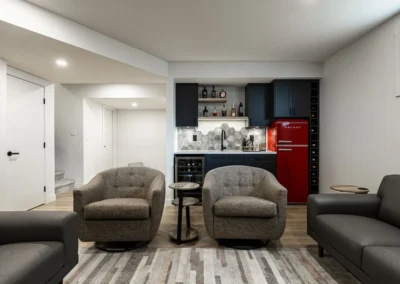
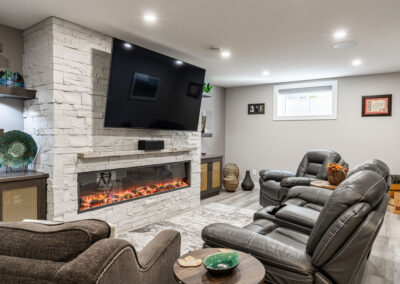
Addressing your basement’s issues isn’t just about preventing disaster; it’s also a massive opportunity. Once you’ve ensured the space is dry, safe, and structurally sound, you can leverage it to add incredible value and functionality to your business. A premium basement development can transform this underutilized area into:
- Modern Meeting and Collaboration Spaces: Create quiet, focused work zones or a unique conference room away from the bustle of the main office.
- Employee Wellness Areas: A small gym, a yoga studio, or a quiet lounge can be a huge perk for attracting and retaining talent.
- High-Security Storage or Server Rooms: A properly waterproofed and climate-controlled basement is the ideal location for critical IT infrastructure and secure file storage.
- A Legal Basement Suite for Revenue: Depending on zoning, a custom basement suite in Saskatoon could be built to generate rental income, helping to offset the building’s mortgage or renovation costs.
Thinking about your basement as part of a holistic Saskatoon basement renovation plan changes it from a source of potential costs to a source of potential value. It’s an investment in the long-term health and functionality of your entire property.
For professional guidance on turning your commercial basement from a liability into an asset, contact the experts at Axium Interiors for a consultation.
Local Expert FAQ
What are the first signs of foundation issues I should look for in a Saskatoon commercial building?
Experts recommend looking for stair-step cracks in exterior brickwork, vertical cracks in concrete foundation walls, and doors or windows that stick or don’t close properly on the main floor. These are often the first visible signs that the building is shifting due to Saskatoon’s expansive clay soil. Any interior drywall cracks, especially around window frames, also warrant a professional inspection.
Is a musty smell in a commercial basement a serious problem?
Yes, it should always be taken seriously. That smell is a tell-tale sign of mold and mildew, which means there is an active or past moisture problem. For a commercial space, this is not just a structural concern but a health and liability issue for your employees and clients. It indicates that a moisture investigation is needed immediately.
How much does it cost to fix a commercial foundation in the Saskatoon area?
Costs can vary dramatically based on the severity. Minor crack repairs might cost between $500 and $1,500. However, more significant structural issues requiring underpinning with piles can range from $20,000 to over $60,000. This wide range is why a pre-renovation structural assessment is so critical to avoid a devastating budget surprise.
Do I need a permit for a commercial basement renovation in Saskatoon?
Absolutely. Any work beyond simple cosmetic updates like painting requires a building permit from the City of Saskatoon. This includes adding or moving walls, altering plumbing or electrical systems, and changing the use of the space. Working without a permit can lead to fines and orders to undo the work.
Key Takeaways
- The single biggest hidden cost factor in an office renovation is often the unaddressed condition of the building’s basement and foundation.
- Problems like moisture intrusion, outdated mechanical systems, and hazardous materials are common in the lower levels of Saskatoon’s commercial buildings.
- Ignoring the basement can lead to a domino effect of costly surprises, causing budget overruns of 30% or more and significant project delays.
- A proactive “Sub-Grade Pre-Renovation Audit” is the most effective way to identify and budget for these hidden issues before they derail your project.
- Addressing basement problems is not just a defensive move; it’s an opportunity to create valuable assets like new meeting rooms, employee amenities, or even revenue-generating rental suites.
- Partnering with a basement finishing expert early in the planning process for your office renovation is a crucial step for financial security and project success.
Disclaimer: While we aim for accuracy, please verify details for your specific situation. For personalized advice and to discuss how these insights apply to your specific needs, we would love to chat with you directly.
Your office renovation is a major investment in your company’s future. Don’t let it be jeopardized by what you can’t see. By focusing on the foundation first, you ensure the success of the entire project from the ground up. If you’re planning an office renovation in Saskatoon, start with a conversation about the space beneath your feet. Contact Axium Interiors today for a comprehensive assessment and see how a premium basement development can safeguard your investment and unlock your building’s full potential.