Why the Conventional Wisdom About Moisture-Proofing Could Wreck Your Custom Basement Finishing
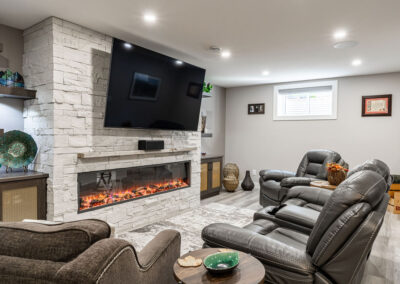
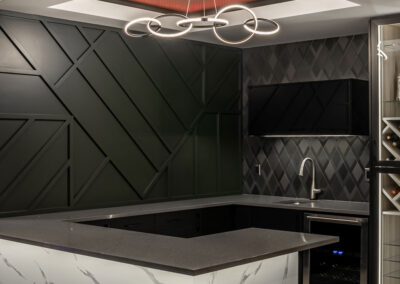
Picture this: you’ve just invested in an ultra-premium basement finishing, complete with a custom home theatre, a sleek wet bar, and a cozy guest suite. A year later, a faint, musty smell begins to emerge. You dismiss it at first, but soon you notice the paint bubbling near a baseboard and the air feels stubbornly damp. This isn’t a rare nightmare scenario; for many Saskatoon homeowners, it’s a costly reality born from a single, critical mistake—following conventional wisdom about moisture-proofing.
The Great Vapour Barrier Myth: Trapping Moisture Inside Your Walls
For decades, the standard approach to finishing a basement involved framing walls, stuffing them with fibreglass insulation, and diligently stapling a layer of 6-mil poly (polyethylene plastic) over the studs before the drywall goes on. The logic seemed sound: create a “vapour barrier” to stop damp basement air from getting into the wall cavity. But here in Saskatoon, this method is one of the most destructive things you can do to your lower level.
The problem is that concrete foundations are inherently porous. Moisture from our region’s heavy clay soil constantly moves through the concrete via vapour diffusion and capillary action. When you install an impermeable plastic barrier on the interior side of the wall, you’re not stopping moisture; you’re trapping it. That moisture, which needs to dry to the inside, hits the back of the plastic sheet, condenses, and creates a perfect, dark, damp environment for mould, mildew, and rot to flourish behind your beautiful new walls. Experts in building science have shown this can lead to serious air quality issues and structural decay.
Insider Tip: Industry professionals often call this the “diaper effect.” Just like a diaper, the plastic barrier holds moisture right against a surface that needs to breathe, leading to inevitable problems. This is especially true for organic materials like wood studs and paper-faced drywall, which become a food source for mould when wet.
Saskatoon’s Unique Challenge: Clay Soil and Extreme Freeze-Thaw Cycles
Basement moisture isn’t just a generic problem; it’s a hyper-local issue. Saskatoon’s geology and climate create a perfect storm for foundation problems. Our soil is predominantly expansive clay, which swells dramatically when wet and shrinks when it dries. This constant movement puts immense stress on foundation walls, a process called hydrostatic pressure.
Add to that our extreme temperature swings. The repeated freeze-thaw cycles that define our winters and springs are brutal on concrete. Water seeps into microscopic pores and cracks, freezes, expands by up to 9%, and widens those fissures over time. This process not only creates more pathways for water to enter but can cause significant structural damage. Following a one-size-fits-all moisture-proofing strategy without accounting for these intense local conditions is a recipe for failure.
If you’re seeing signs of moisture, like chalky white residue (efflorescence) on the concrete or musty smells, it’s a sign your foundation is already under stress. For professional guidance on assessing your specific situation in the Saskatoon area, Axium Interiors can help evaluate your home’s unique needs.
Smart Moisture Management: Letting Your Foundation Breathe
So, if the plastic vapour barrier is out, what’s the right way to build? The modern, building-science-approved approach isn’t about blocking moisture, but managing it. The goal is to create a wall assembly that can dry to the interior if it ever gets wet, without letting interior air condense on the cold foundation surface.
The Right Materials for the Job
This is where an expert high-end basement contractor makes all the difference. Instead of the traditional wood-stud-and-fibreglass method, premium basement design focuses on a system of non-organic, moisture-resistant materials:
- Exterior Waterproofing: The first line of defense happens outside, with a waterproof membrane applied to the foundation walls to stop water before it enters the concrete. This is far more effective than trying to manage water from the inside.
- Rigid Foam Insulation: Applying 2-3 inches of closed-cell spray foam or rigid XPS foam board directly against the concrete foundation is the least risky and most effective interior insulation method. This does three critical things: it insulates, it acts as an air barrier to stop warm interior air from condensing on the cold concrete, and it’s a semi-permeable vapour retarder, allowing the wall to slowly dry inward while blocking bulk moisture.
- Steel Studs or a Gap: A framing wall using steel studs (which don’t rot or grow mould) is then built in front of the foam insulation. Alternatively, a wood-frame wall can be used, provided there’s a gap between it and the foam to prevent any thermal bridging or moisture contact.
- No Poly Vapour Barrier: Critically, no polyethylene sheeting is installed. The foam insulation itself serves as the necessary vapour control layer. Adding a sheet of poly would create a dangerous “double vapour barrier,” trapping any moisture inside the wall cavity with no way to escape.
This advanced method directly impacts the long-term value and initial basement development cost per square foot. While materials like spray foam are more expensive upfront, they prevent catastrophic failures that cost exponentially more to remediate later. In Saskatoon, this can range from $80 for a basic finish to over $150 per square foot for ultra-premium basement finishing that incorporates these superior techniques.
Flooring Fails: The Hidden Moisture Trap on Your Floor
The walls aren’t the only place where outdated wisdom can cause problems. Many homeowners choose luxury vinyl plank (LVP) flooring for their basements, often selecting products with a pre-attached underlay. While convenient, this can create a new moisture trap.
Concrete slabs constantly release a low level of moisture vapour. When you lay an impermeable flooring like LVP directly on the concrete, you trap that vapour. It can’t escape, leading to a damp, musty smell that seems to have no source. In some cases, the trapped moisture can even affect the flooring adhesive or lead to mould growth on the underside of the planks.
A common situation: A Saskatoon homeowner finishes their basement beautifully. Everything looks perfect. A few months after the first spring thaw, a persistent “basement smell” appears. They check for leaks and find nothing. The culprit is often the beautiful new floor, which is preventing the concrete slab from breathing naturally.
The professional solution is to install a proper subfloor system. Products like dimpled membranes create a small air gap (about 1/4 inch) above the concrete, allowing air to circulate and moisture to evaporate. This simple step decouples your finished floor from the concrete slab, protecting your investment and ensuring better air quality.
Beyond the Walls: A Whole-Home Approach to a Dry Basement
Even the best-built basement walls will fail if the exterior water management system is neglected. A truly dry basement is the result of a holistic approach that starts at your roofline and extends to your foundation drains.
Basement development professionals in Saskatoon consistently find that many moisture issues originate from these common problems:
- Improper Grading: The ground around your foundation should slope away from the house, dropping at least six inches over the first ten feet. Negative grading channels rainwater and snowmelt directly against your foundation walls.
- Clogged Eavestroughs and Downspouts: Gutters overflowing with leaves or downspouts that dump water right next to the foundation are a primary cause of basement water intrusion. Extending downspouts at least five feet away is a simple but crucial fix.
- Window Well Issues: Window wells without proper drainage can essentially become buckets, collecting water and forcing it against your windows and foundation.
- Sump Pump Failure: Your sump pump is a critical piece of equipment. Regular maintenance and testing are essential to ensure it’s ready to handle the heavy water flow during Saskatoon’s spring melt.
A custom basement development project should always begin with an assessment of these exterior factors. Ignoring them is like trying to bail out a boat without plugging the hole first.
Local Expert FAQ
What are the first signs of a moisture problem in my unfinished Saskatoon basement?
Before you see actual water, look for subtle clues. A persistent musty or earthy smell is a major red flag. Check for efflorescence, a white, chalky substance on the concrete walls, which is evidence of water seeping through and evaporating. Also, look for dark patches on the concrete that remain after the rest of the wall has dried, or flaking paint on the foundation walls.
Is spray foam insulation really worth the extra cost for a basement renovation?
Absolutely. While the upfront cost is higher than fibreglass batts, closed-cell spray foam is an all-in-one solution for insulation, air barrier, and vapour control when applied correctly by a professional. It eliminates the risk of interior condensation on the foundation wall, which is a primary cause of mould. It’s an investment in the long-term health and durability of your home, preventing much costlier repairs down the road.
What are the specific requirements for a legal basement suite in Saskatoon regarding moisture and safety?
Building a legal basement suite in Saskatoon involves strict adherence to the National Building Code. This includes requirements for ceiling height (generally 1.95m or 6’5″), proper egress windows in every bedroom, fire separation between the suite and the main dwelling, and independent ventilation systems. A proper moisture management system as described above is foundational to passing inspections; a damp, mouldy suite will not be deemed safe or habitable. You can find specific guidelines on the City of Saskatoon’s website or by consulting with an experienced basement contractor.
How does finishing my basement affect my home’s value here in Saskatoon?
A professionally finished basement provides one of the highest returns on investment for home renovations, often in the 70-75% range. It adds valuable, usable square footage to your home. In Saskatoon, developing a legal basement suite can also provide a significant income stream, making your property more attractive to investors and homebuyers looking to offset their mortgage. However, a basement finished incorrectly with moisture problems can actually decrease your home’s value, as buyers will factor in the high cost of remediation.
Key Takeaways
- The conventional wisdom of using a polyethylene vapour barrier on the inside of basement walls is outdated and can trap moisture, leading to mould and rot.
- Saskatoon’s expansive clay soil and intense freeze-thaw cycles require a specialized approach to moisture management that goes beyond generic advice.
- Modern, science-backed methods focus on managing moisture, not just blocking it. This involves using materials like rigid foam insulation directly against the concrete.
- A proper subfloor is essential to prevent moisture from the concrete slab from getting trapped under your finished flooring, which can cause musty odours.
- A dry basement is a whole-system achievement. Proper exterior grading, eavestroughs, and drainage are just as important as the interior wall assembly.
- Investing in the right materials and professional expertise upfront prevents far more expensive and disruptive repairs in the future.
- A properly finished basement significantly increases your home’s value and livability, but an improperly finished one can become a major liability.
Disclaimer
While we aim for accuracy, please verify details for your specific situation. For personalized advice and to discuss how these insights apply to your specific needs, we would love to chat with you directly.
Your Dream Basement, Built to Last
Creating a beautiful, functional, and healthy lower level for your family is a major investment. Don’t let it be ruined by outdated methods that are fundamentally wrong for the climate and soil here in Saskatoon. By understanding the science behind moisture movement, you can ensure your custom basement finishing project is a source of enjoyment for decades to come.
If you are ready to explore your unfinished basement solutions with a team that prioritizes building science and premium, long-lasting results, contact Axium Interiors today for a consultation. Let’s build it right, from the foundation up.